Marketing teams have never produced more content, yet most still feel perpetually behind. A campaign launches, a flurry of assets gets made, and weeks later the cycle restarts from zero. The brands that have broken this loop share one quiet advantage: a content library. Rather than commissioning visuals campaign-by-campaign, they build a structured, reusable ecosystem of photography, video, social content, and design assets that compounds in value over time.
As a content creation agency working across hospitality, fashion, consumer, and education brands, we have watched this shift accelerate. In 2026, a content library is no longer a luxury reserved for large advertisers. It is the operating system that makes everything else, from paid media to organic social, faster, cheaper, and more consistent.
What a Content Library Actually Is
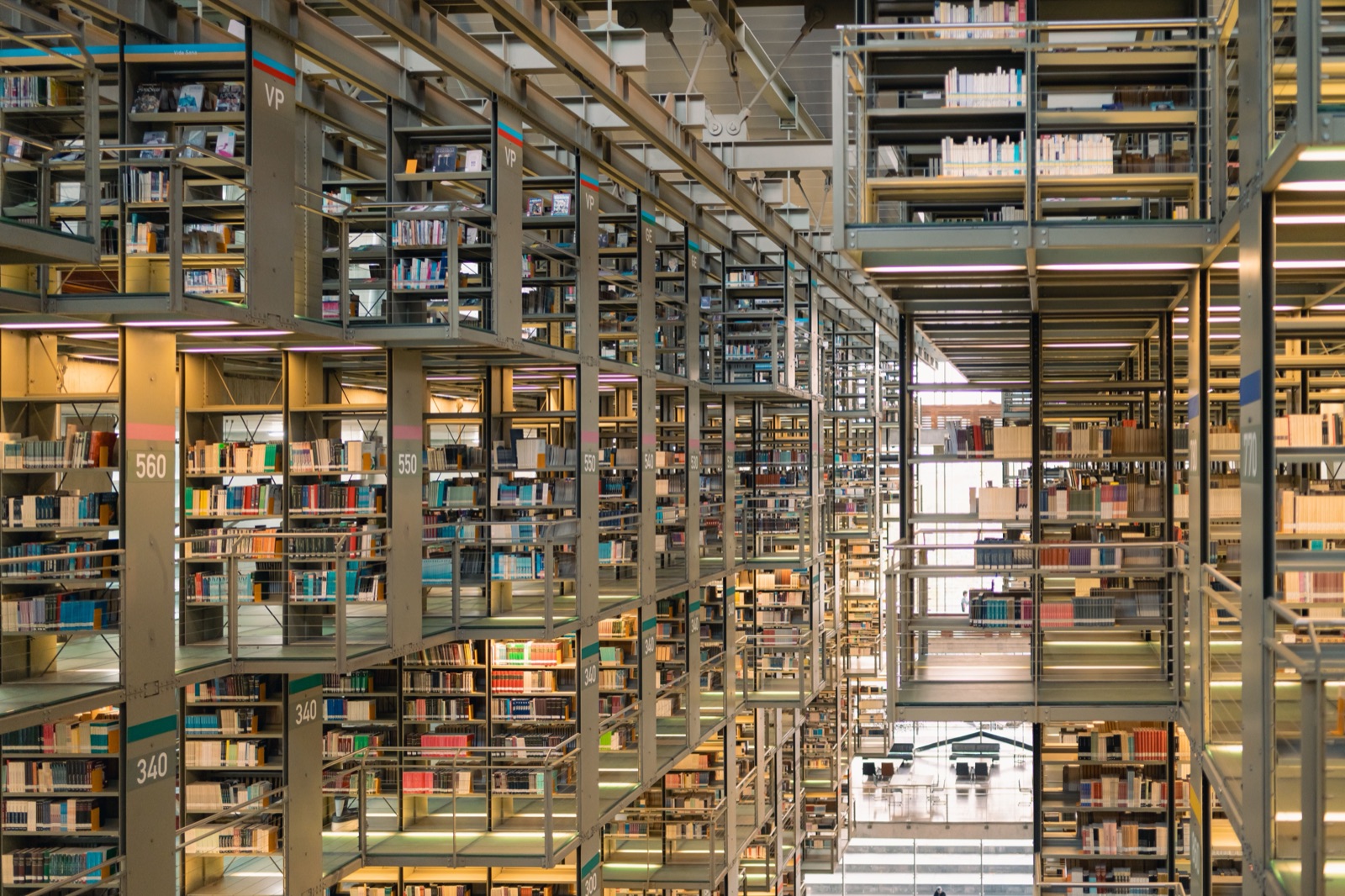
A content library is a centralised, well-organised collection of brand-owned visual and written assets, structured so any team member can find, deploy, and adapt them. Think of it less as a folder of files and more as a system: hero films and product photography, short-form social cuts, lifestyle imagery, motion graphics, templates, and design components, all tagged, versioned, and ready to use.
The difference between a shared drive and a true content library is intent. A library is produced against a strategy. Every asset is created knowing it will be reused, repurposed, and recombined across channels and quarters.
Why Brands Struggle With Inconsistent Content
Inconsistency is rarely a creative failure. It is a structural one. When content is made reactively, each project starts with new freelancers, new references, and new interpretations of the brand. The result is a feed that looks like five different companies wearing the same logo.
- —Visual identity drifts because no single source of truth exists.
- —Teams re-shoot assets they already own but cannot find.
- —Tone and quality swing depending on who delivered the last project.
- —Launch timelines stall while waiting on net-new production.
Each of these problems quietly taxes the marketing budget and erodes brand trust. Audiences may not articulate it, but they feel when a brand looks scattered.
The Hidden Cost of Campaign-by-Campaign Content
Producing content one campaign at a time feels economical because each invoice is small. In aggregate, it is the most expensive way to operate. You pay repeatedly for setup, crew mobilisation, location scouting, and creative direction, costs that a single, well-planned production cycle absorbs once and amortises across dozens of deliverables.
There is an opportunity cost, too. Reactive production means your best ideas wait in a queue behind logistics. A content library inverts this: the heavy lifting is done in advance, so your team spends its energy on strategy and distribution rather than scrambling for raw material.
The Benefits of an Organised Content Ecosystem
Speed to market
When assets already exist, launching a campaign becomes an act of assembly rather than creation. Seasonal pushes, product drops, and reactive social moments ship in hours, not weeks.
Consistency at scale
A library enforces a unified visual language automatically. Every channel pulls from the same well, so the brand reads as one coherent voice whether someone discovers you on Instagram, a billboard, or a booking page.
Measurable efficiency
Cost-per-asset drops sharply when commercial photography, brand video production, and design are planned together. One shoot day can yield stills, reels, website headers, and ad creative simultaneously.
How Photography, Video, Reels, and Design Work Together
The real power of a content library is compounding. A single brand film becomes the source for a dozen short-form cuts. A photography set feeds the website, the deck, and the paid carousel. Design systems turn raw captures into on-brand templates anyone can extend.
When these disciplines are produced in isolation, they fight each other. When they are produced as one ecosystem, they multiply. That multidisciplinary alignment, film, photography, social content, and design under one creative direction, is precisely what turns scattered output into a system.
What This Looks Like Across Industries
- —Hospitality brands build libraries of property, food, and experience imagery that power bookings year-round without re-shooting every season.
- —Fashion labels capture lookbooks engineered from day one for runway, e-commerce, and reels.
- —Consumer brands maintain product systems that keep packaging, lifestyle, and campaign visuals perfectly in sync.
- —Education institutions document campus life and outcomes into evergreen stories that fuel admissions for years.
In every case, the brands that treat content as infrastructure, not as a series of expenses, market faster, look sharper, and spend smarter.
Building Your Content System
A content library is not built by shooting more. It is built by shooting deliberately, with a strategy that anticipates how every frame will be reused. That requires a partner who can plan across disciplines and execute production and post-production as a single, coherent pipeline.
Need a scalable content system for your brand? Let's talk.
Start a conversation